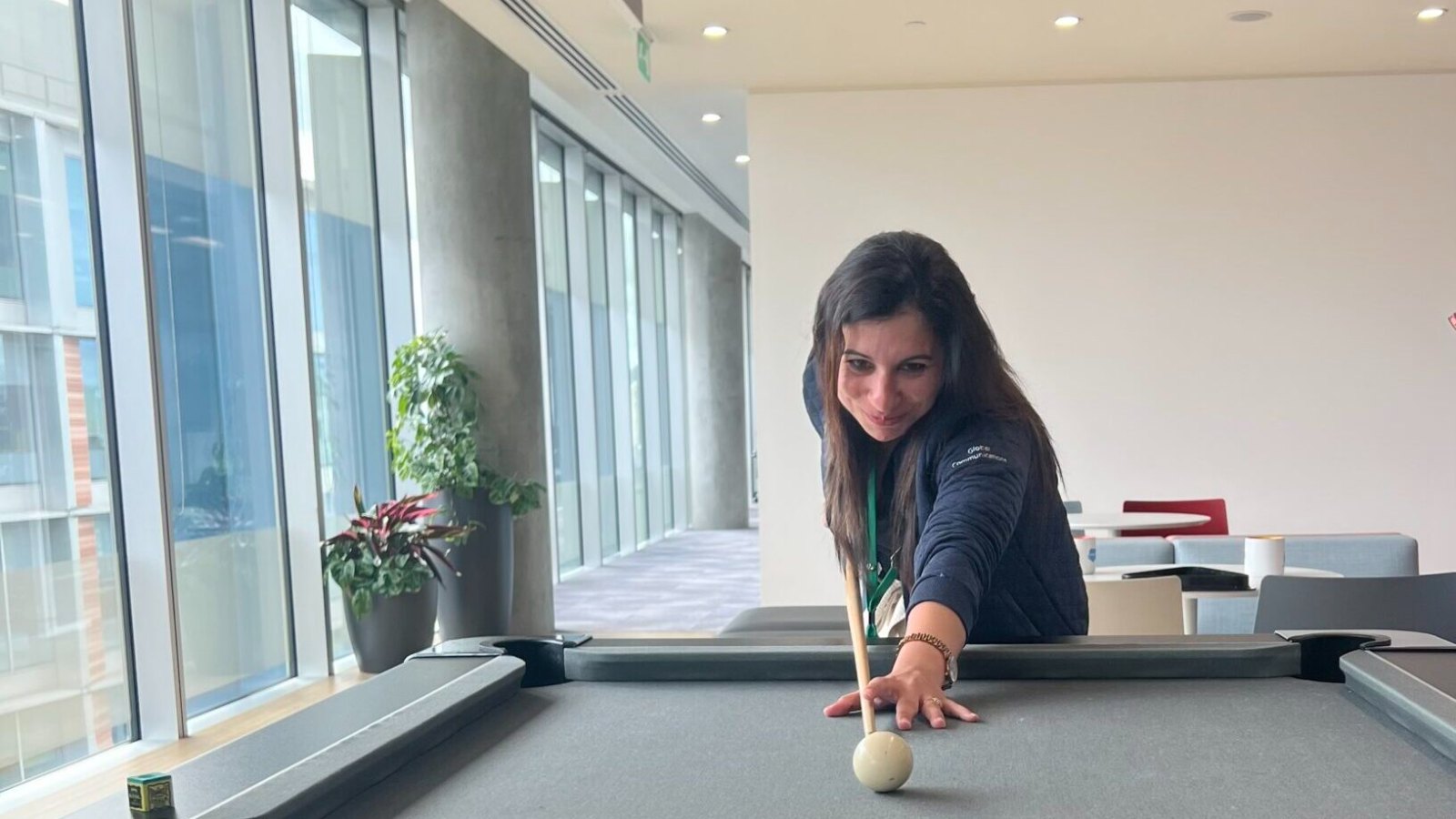
I’ve worked in both India and the Netherlands, and people often ask me what the biggest difference is. My answer is always the same: work-life balance.
In India, my days often started at 9 in the morning and ended at 9 at night. There wasn’t much personal time left after work. In the Netherlands, the work-life balance is amazing. Evenings are for life, not for emails.
Both countries taught me a lot, and I’m grateful for my start in India. In this post I share the main differences I noticed in work culture between India and the Netherlands, and tips if you’re about to make the move.
This is based on my own experience in the companies I worked for. Every company and team is different, in both countries.
1. Work-life balance
This is the big one. In India, long days were normal for me, and staying late often felt like part of the job. In the Netherlands, most people start and finish on time, and leaving at the end of the day is completely normal, not a sign that you don’t care.
Many people here also work part-time, and spending time with family, sports or hobbies after work is seen as important. For me, it means I still have energy for my life after work: dancing, travel and my side projects.
2. Direct communication
Dutch people are known for being direct. If they disagree, they’ll tell you, politely but clearly. In the beginning, this can feel a bit blunt if you’re used to more indirect communication.
Over time I learned that it’s not personal. It’s actually very efficient: you always know where you stand. And you’re expected to share your opinion too, even with your manager.
3. Flatter hierarchy
In many Dutch workplaces, the hierarchy feels flat. You call your manager by their first name, you can question decisions, and junior people are encouraged to speak up in meetings.
If you come from a more hierarchical work culture, it can take a little time to get used to the idea that your opinion is welcome, even in a room with senior people.
4. Meetings and planning
Meetings here usually start on time and have a clear agenda. Calendars are planned weeks ahead, including holidays. People take their vacation seriously, and long summer holidays are normal.
5. Consensus
Decisions often involve a lot of discussion, so everyone feels heard before something is decided. It can take a bit longer, but once a decision is made, people usually stand behind it.
6. Lunch and the office vibe
Lunch is often simple and quick, often a sandwich with colleagues. The office vibe is relaxed, and dress codes are usually smart casual. I wrote more about that in what I wear to the office in the Netherlands.
What I miss about working in India
I don’t want to make it sound like one country is simply better. I learned so much in India: hard work, hustle, adaptability and how to get things done with energy. The energy, the warmth and the strong sense of team are things I still value a lot.
Tips if you’re moving from India to a Dutch workplace
Speak up in meetings
Your opinion is expected. Prepare one or two points before important meetings so you feel confident sharing them.
Don’t take directness personally
Feedback is usually about the work, not about you. Try being a bit more direct yourself too.
Respect boundaries, including your own
People here protect their personal time. Do the same. Leaving on time is normal.
Plan ahead
Book meetings and holidays early. Calendars fill up fast.
Learn some Dutch
Even if work is in English, a little Dutch helps you connect with colleagues over lunch and coffee.
Your first weeks in a Dutch office
The first few weeks in a new country can feel like a lot. A new team, a new way of working and often a new language around you. What helps is to go in curious and ask questions. People here are usually happy to explain how things work, and asking is seen as a good thing, not as a weakness.
Here is a simple checklist for your first month:
- Have a short coffee chat with each person in your team, just to get to know them.
- Ask your manager what success looks like in your first three months.
- Notice how meetings run: who speaks, how decisions are made and how people follow up.
- Join team lunches and small social moments, even if they feel simple.
- Write down the words, tools and team habits you don’t understand yet, and ask about them.
Small things like this help you settle in faster. And if you miss home in the beginning, that is completely normal. I shared what helps me in how to deal with homesickness abroad.
How to give and receive feedback the Dutch way
Feedback is a normal part of the week in many Dutch teams. It is not saved for a yearly review. When someone gives you feedback, try to listen first, say thank you and ask one follow-up question, like “Can you give me an example?” This shows you take it seriously, and it helps you understand what they really mean.
When you give feedback yourself, keep it simple and kind. Say what you noticed, why it matters and what could be better next time. You don’t need a long build-up or lots of soft words around it. Being clear is a sign of respect here. A good habit is to also share what went well, so the conversation feels balanced and positive.
Tips for your CV and interviews in the Netherlands
If you’re still looking for a job here, a few small changes can make a big difference. Keep your CV short and clear, ideally one or two pages. Focus on results, not only tasks: what did you improve, grow or deliver? Dutch interviewers also like honest answers, so it’s fine to say what you’re still learning.
In interviews, expect questions about how you work in a team and how you handle disagreement. Prepare one or two real examples where you shared your view or solved a problem together. And LinkedIn really matters here. I wrote about that in how I built a global professional presence.
Looking for your next job, at home or abroad?
I put everything I used into one Job Search Kit: a CV and LinkedIn check, outreach messages, interview answers and a salary script.
Frequently asked questions
Is work-life balance better in the Netherlands than in India?
In my experience, yes. Most people work set hours and personal time is respected. It does depend on your company and role, in both countries.
Are Dutch people really that direct at work?
Generally, yes. Communication is usually clear and honest. It’s not meant to be rude, and you get used to it quickly.
Do I need to speak Dutch to work in the Netherlands?
Not always. Many international companies work in English. Learning some Dutch still helps a lot with daily life and connecting with colleagues.
What is the biggest culture shock at work for Indians in the Netherlands?
For many people, it’s the direct communication and the flat hierarchy, and how normal it is to leave work on time.
How do I make friends with Dutch colleagues?
Start small. Join lunch, team drinks and coffee breaks, and show interest in their lives and hobbies. Friendships here can take a little time to grow, but once they do, they are often very loyal.
Is it okay to disagree with my manager in the Netherlands?
Yes, in most teams it is welcome, as long as you stay respectful and explain your reasons. Managers here often want to hear different views before they decide.
Have you worked in both India and abroad? What difference surprised you most? Tell me in the comments 👇

Leave a Reply