“How did you get a job in the Netherlands?” This is the question I get most in my DMs. So here’s the honest, detailed answer.
I didn’t get my first job here by sending hundreds of applications. I got it by messaging people on LinkedIn. People I had never met. And years later, networking also helped me get my foot in the door at one of the companies I most wanted to work for.
In this post I share exactly what I did, what I’d do differently, and a simple message template you can adapt. It’s written for anyone looking for a job in the Netherlands as an expat or international, but most of it works wherever you are.
Where I started: no job, no network, no Dutch
When I moved to the Netherlands in 2017, I had no job, no network and no Dutch. I had work experience from India, but here nobody knew me, and nobody was going to hand me an opportunity.
I applied online at first, like everyone does. But I quickly understood that a CV from someone with no local experience, no Dutch and no contacts is easy to skip. I needed people to know me before they saw my CV. So instead of only sending applications, I started talking to people.
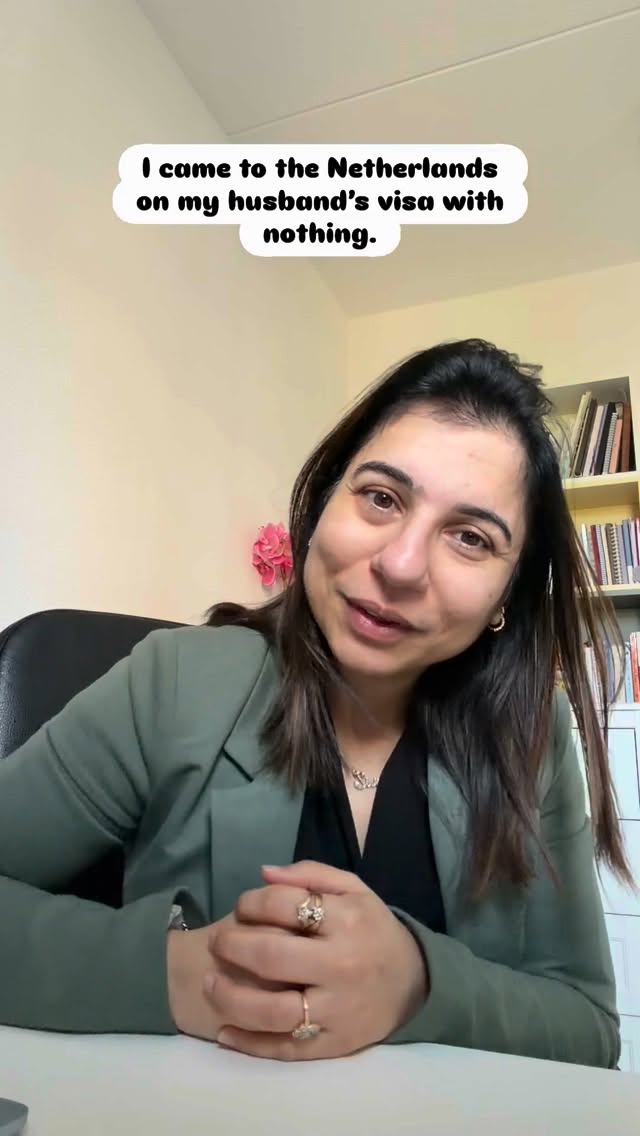
Watch the Reel
Nobody tells you how hard the first year abroad is
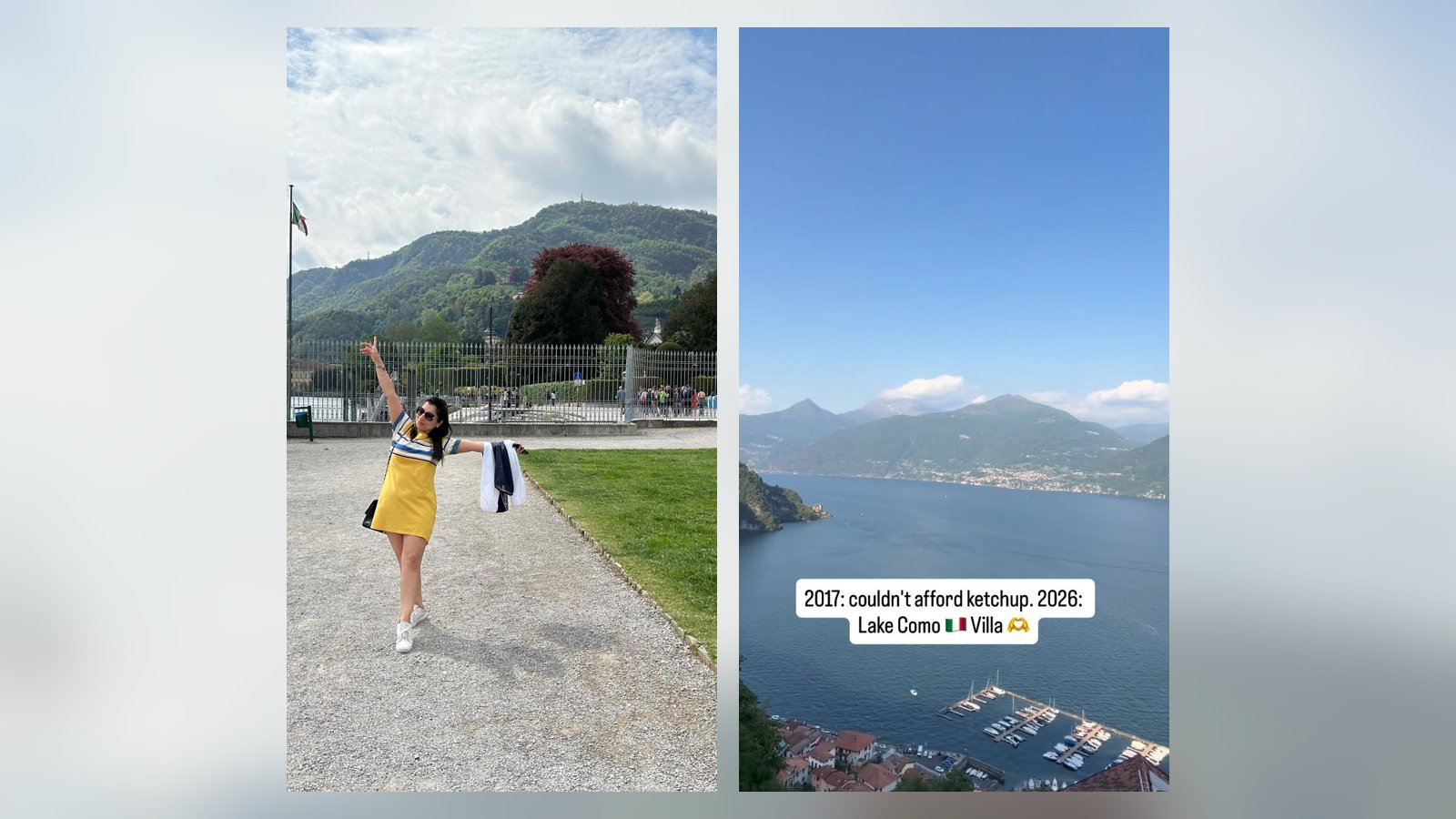
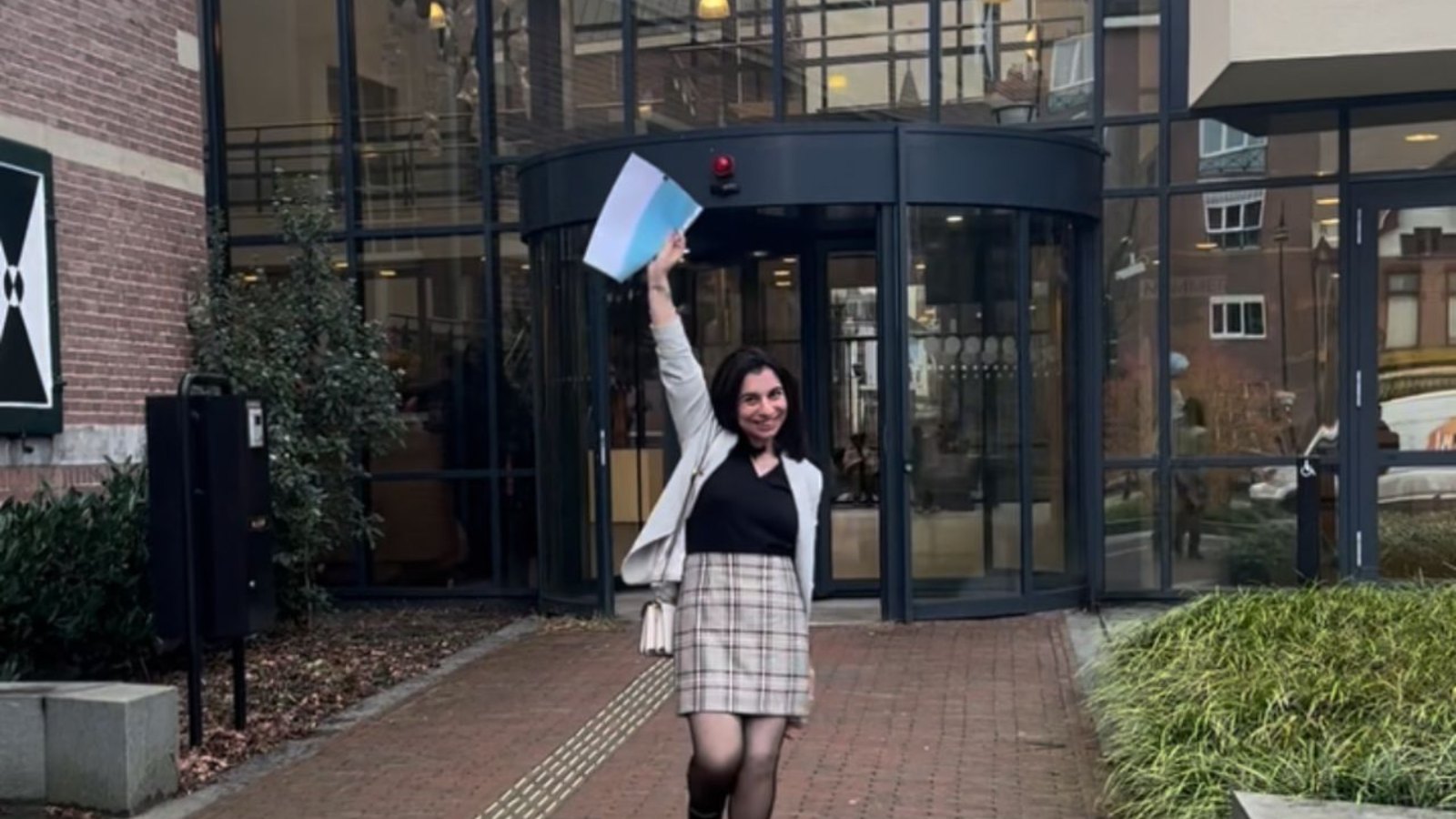
My first year in the Netherlands, in under a minute.
Why networking matters so much for internationals in the Netherlands
A lot of jobs are filled through people. A manager hears about someone from a colleague, a recruiter remembers a good conversation, a team member passes on a CV. When you are new to a country, you are invisible in all those conversations.
In the Netherlands, there are also many international companies where English is the working language, and LinkedIn is widely used by recruiters and professionals. That’s good news. It means you can start building a network even before you speak Dutch, and even before you have a job here.
The Dutch work culture is also quite direct and informal. People are usually open to a short, honest message, as long as it’s clear what you want and you respect their time. That’s exactly what I tried to do.
Step 1: Fix your LinkedIn profile before you message anyone
Before sending a single message, I made sure my profile made sense to a stranger in five seconds. When someone gets a message from you, the first thing they do is click on your profile. If it’s empty or confusing, the conversation ends there.
What I focused on:
- A clear, friendly photo. Nothing fancy. Just you, smiling, good light.
- A headline that says what you do and what you want, not only your last job title. For example: “Digital marketer | Email & CRM | Looking for marketing roles in the Netherlands”.
- An About section in normal words. Two or three short paragraphs: your story, what you are good at, and where you want to go next.
- Your location set to the Netherlands, if you are already here, so recruiters searching locally can find you.
Write it the way you would introduce yourself at a coffee, not the way you would write a formal letter.
Step 2: Message people, not companies
This is the step that made the biggest difference. I looked for people working in the roles or companies I was interested in, and I sent short messages.
What worked for me:
- Make it personal. One line about why you picked this person. Maybe you work in the same field, you liked a post they wrote, or you also moved from another country.
- Keep it short. Three or four sentences. Long messages don’t get read.
- Make a small ask. Ask for a bit of their time to hear about their experience, or one piece of advice. Don’t ask for a job in the first message.
- Say thank you either way. Even if they say they can’t help.
Here’s a template based on what worked for me. Please make it your own:
“Hi [Name], I’m [your name], a [your role] who recently moved to the Netherlands. I saw that you work in [field] at [company], which is exactly the direction I’m hoping to go. Would you be open to a short chat sometime about how you got there? Any advice would mean a lot. Thank you!”
Not everyone replies, and that’s completely normal. People are busy. But some people did reply to me, and a few of those conversations turned into introductions. That’s how my first job in the Netherlands happened: a digital marketing role at a startup.
Step 3: Show up, online and in person
Messages alone are not enough. People need to see you around.
Online, I started commenting on posts in my field, sharing what I was learning, and congratulating people on their news. Small things, but they make your name familiar. When you later message someone who has seen your comments, you are not a total stranger anymore.
Offline, I went to events: a Women in Tech seminar, a Google digital marketing workshop, and later tech community events. Some of my best opportunities came from casual conversations at events like these, not from anything planned. If walking into a room full of strangers feels scary, set yourself a tiny goal, like talking to two people, and then you’re allowed to leave 😄
Step 4: Give before you ask
Networking works best when it’s not only about what you can get. Share a useful article, answer someone’s question, introduce two people who should know each other, or offer help with something you’re good at.
For me, volunteering was a big part of this. I taught tech basics to refugees at an academy in Calais, France. I did it to give back, but it also connected me with kind, driven people I would never have met otherwise.
Step 5: Keep going, long after you get the job
Networking is not a one-week task you do when you need a job. The connections I made in my first years here still help me today. Later in my career, a referral from someone in my network helped me get in the door at a company I really wanted to join.
So keep in touch with the people who helped you. Send a message when you get the job. Congratulate them on their wins. Relationships grow slowly, and that’s the point.
Common mistakes to avoid
- Only applying online. It feels productive, but it’s the slowest route when you have no local network.
- Copy-pasting the same message to everyone. People notice. One personal line changes everything.
- Asking for a job in the first message. Ask for advice and a conversation first.
- Giving up after silence. No reply usually means “busy”, not “no”. Send the next message to someone else.
- Waiting until your Dutch is perfect. Many international companies work in English. Start now, and learn Dutch along the way.
Looking for your next job, at home or abroad?
I put everything I used into one Job Search Kit: a CV and LinkedIn check, outreach messages, interview answers and a salary script.
Frequently asked questions
Can you get a job in the Netherlands without speaking Dutch?
Yes, especially at international companies, startups and in tech, where English is often the working language. I didn’t speak Dutch when I found my first job here. Learning some Dutch still helps with daily life and with more roles, but it doesn’t have to stop you from starting.
Is LinkedIn really useful for finding a job in the Netherlands?
For me, it was the most useful tool. Recruiters and professionals here use it a lot, and messaging people directly got me much further than applying through job portals alone.
What should I write in a LinkedIn message to a stranger?
Keep it short and personal: who you are, why you picked them, and one small ask, like a short chat or one piece of advice. Don’t ask for a job in the first message. You can use the template above as a starting point.
Do I need a visa or work permit to work in the Netherlands?
It depends on your nationality and situation. Rules change, so always check the official website of the Dutch immigration service, IND, for your case before you apply.
Have you ever messaged a stranger on LinkedIn? What happened? Tell me in the comments 👇