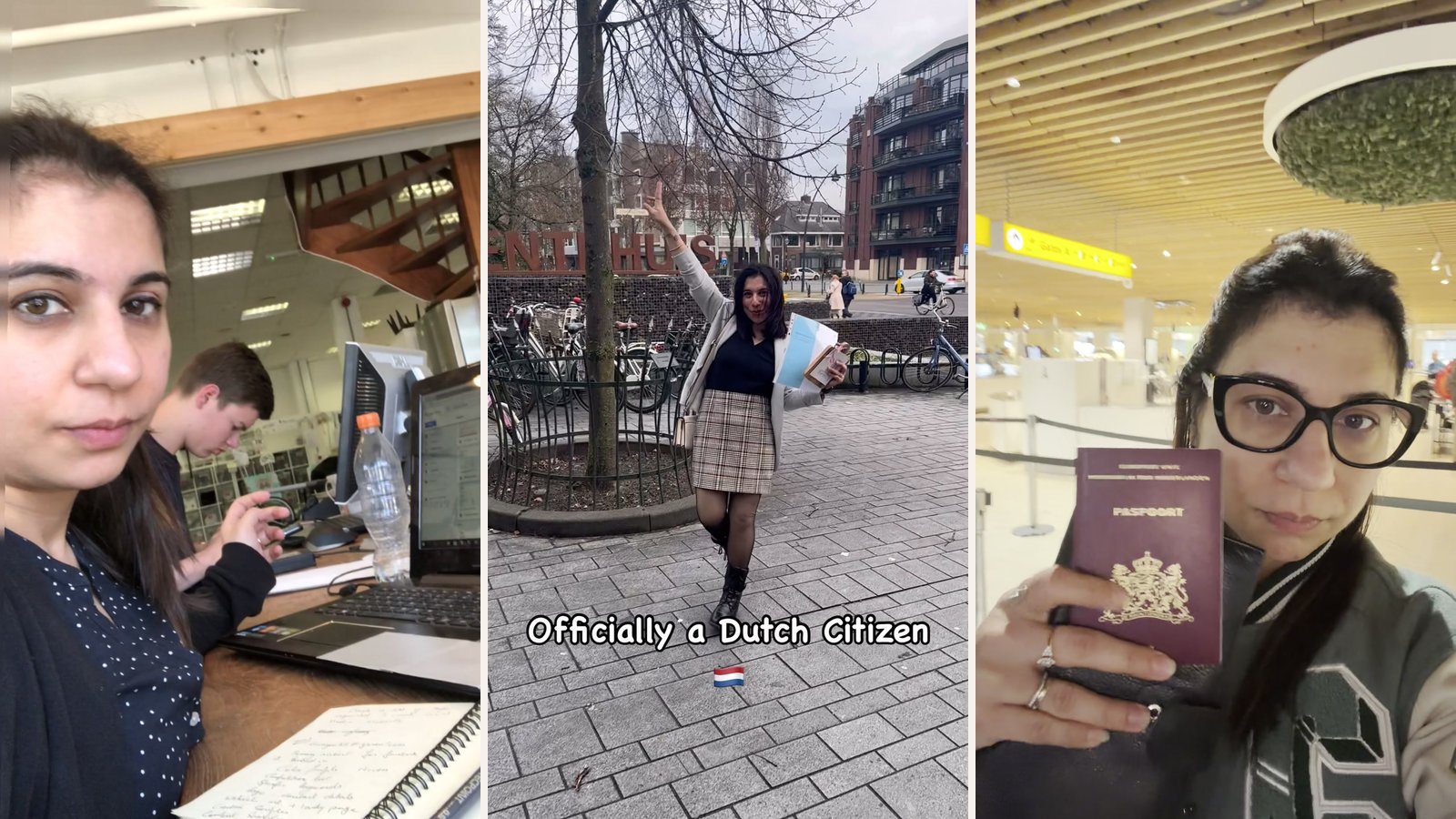
Holding my Dutch citizenship certificate was one of the most emotional moments of my life, and I wished my father were there to see it. But the road to that moment started years earlier, with a visa deadline, a job offer and a five-day margin that I still think about.
In this post I’ll share my real journey: from a dependent visa, to a highly skilled migrant permit, to Dutch citizenship through naturalisation. I’ll also explain the main steps in simple words, with links to the official sources, because the rules can change and every situation is different.
This is my personal story, not legal advice. Always check the latest rules on the official IND website or with your municipality.
Where it started: a dependent visa
I moved to the Netherlands in 2017 on a dependent visa, linked to my husband’s permit. He was here on deputation from India. I was allowed to work, but I had no job, no network and no Dutch. I wrote about that first phase in my dependent visa story.
Then came the moment that changed everything: my husband’s assignment, and with it his visa, was coming to an end. If his permit ended, mine ended too.
I didn’t want to go back to India. I had started building a life here, and I wanted to make it work. So I started looking for a job that could give me my own residence permit.
The job offer, and the problem nobody saw coming
Luckily, I got a job offer from Volvo Cars, and they said they would sponsor my visa. I was so relieved.
Then we found out the catch. In the Netherlands, only employers that are registered with the IND as a recognised sponsor can apply for a highly skilled migrant permit for an employee. Volvo wasn’t registered yet, so they couldn’t apply for me.
My husband’s visa was ending, and the company had already committed to hiring me. So I asked them: could they register with the IND as a recognised sponsor? They agreed and started the process.
It was incredibly close. They got registered about five days before it would have been too late, and then they applied for my highly skilled migrant permit. If it had taken a few more days, I would have had to go home.
For a few months after that, my husband was on a dependent permit linked to mine, until he found his own job. Life had come full circle, and I’ll always be grateful to the people who said yes to my request.
What I learned from that moment
- Check if a company is a recognised sponsor. The IND has a public register of recognised sponsors. If an employer wants to hire you as a highly skilled migrant, they need to be on it.
- Don’t be afraid to ask. I didn’t know if they’d say yes, but asking was the only way to have a chance.
- Start early. Visa timelines are tight. The earlier you start looking, the more options you have.
You can read the IND’s own explanation of the national highly skilled migrant scheme.
From permit to passport: naturalisation after five years
After living here legally for five years, I applied for Dutch citizenship through naturalisation. In simple words, these are the main requirements the IND lists (check the official naturalisation page for the full and current list):
- You’re 18 or older.
- You’ve lived in the Netherlands for at least five consecutive years with a valid residence permit, and always renewed it on time.
- You’ve passed the civic integration exam (the naturalisation test), or you have a valid exemption.
- You’re not a risk to public order.
- In most cases, you have to give up your current nationality. There are exceptions, so check this before you apply.
You apply at your local municipality (gemeente), and the IND then makes the decision. If you’re approved, you attend a naturalisation ceremony, and after that you can apply for your Dutch passport.
The exams
To meet the integration requirement, I took all the civic integration exams. They test Dutch language skills (reading, listening, speaking and writing) and knowledge of Dutch society. The official information is on inburgeren.nl and the IND page on civic integration for naturalisation.
My honest tip: start learning Dutch long before you need the exams. It makes the exams less stressful, and it makes daily life here so much easier too.
Giving up my Indian passport
This was the emotional part. India doesn’t allow dual citizenship, so becoming Dutch meant giving up my Indian passport.
It felt strange to let go of something so tied to who I am. But my roots, my family in Lucknow and my love for India didn’t go anywhere. A passport is a document; home is something you carry with you.
Many former Indian citizens apply for an OCI card (Overseas Citizen of India), which makes it easier to visit and stay in India. I haven’t applied for mine yet, it’s on my to-do list. You can find the official details on the OCI services website.
What Dutch citizenship means to me
When I moved here, I was the girl with no job and no identity of her own, waiting to see what would happen. Becoming Dutch felt like proof that I had built something real here, step by step.
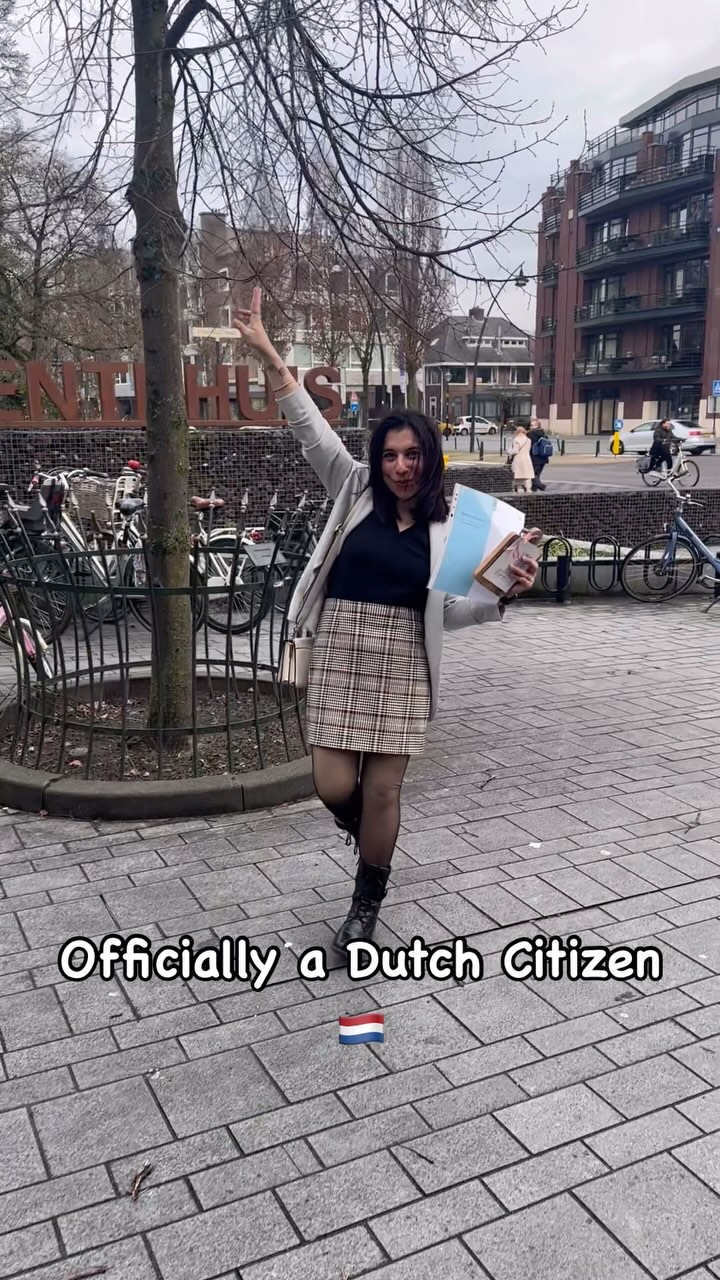
Watch the Reel
Officially a Dutch citizen
The day I held my certificate, and the moment life came full circle.
It also opened doors: travelling with a Dutch passport is a lot easier, and there are no more permit renewals to think about.
If you’re at the beginning of your journey, here’s what I’d say: it can feel slow and uncertain, but every step counts. My own path to a job here took a lot of patience (and many rejections). I shared that in how I dealt with 76 job rejections.
Looking for your next job, at home or abroad?
I put everything I used into one Job Search Kit: a CV and LinkedIn check, outreach messages, interview answers and a salary script.
FAQ
How long does it take to get Dutch citizenship?
The usual route is naturalisation after at least five consecutive years of legal residence. After you apply, the IND can take up to a year to decide. Check the IND website for current timelines.
Can Indians keep their Indian citizenship after becoming Dutch?
India doesn’t allow dual citizenship, so in my case I had to give up my Indian passport. Many former Indians then apply for an OCI card.
What is a recognised sponsor in the Netherlands?
It’s an employer registered with the IND that can apply for permits like the highly skilled migrant permit for its employees. You can check any company in the IND’s public register.
Do I need to pass a Dutch exam to become a citizen?
In most cases, yes. You need to pass the civic integration exam (naturalisation test) unless you have an exemption, such as certain Dutch diplomas.
Your turn
Are you on your own visa or citizenship journey right now? Tell me in the comments 👇
Leave a Reply