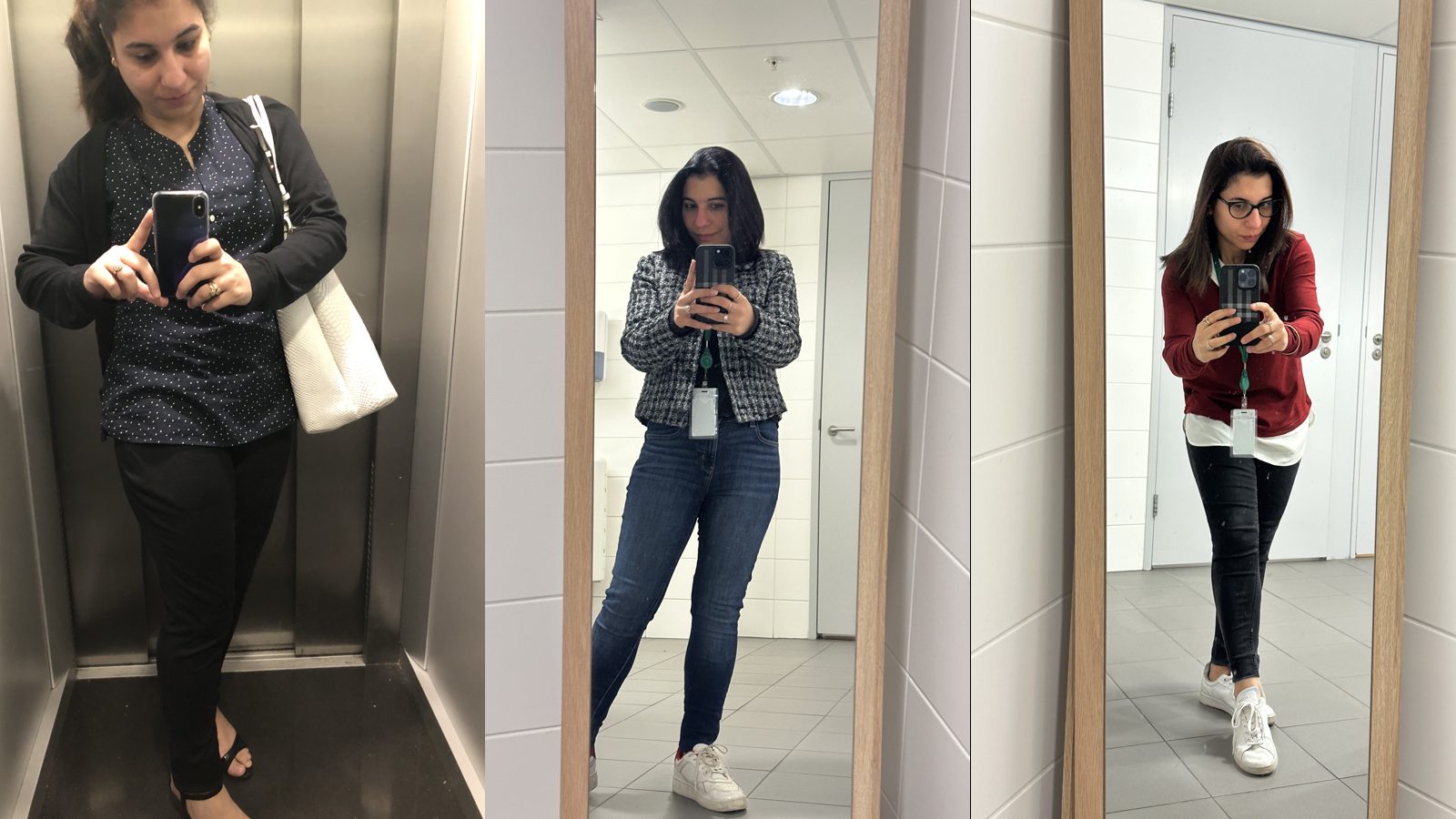
“Can I get a job in the Netherlands if I don’t speak Dutch?”
This is one of the questions I get most in my DMs. And I understand why. When I moved to the Netherlands at 29, I didn’t speak a word of Dutch. I had no job, no Dutch network and no idea where to start.
Here’s the honest answer: yes, you can. I still don’t speak Dutch, and I’ve built my whole career here in English. I started in digital marketing at a startup, moved to a marketing technology role at an NGO, then worked at Volvo Cars, and today I work in sales at a big tech company.
But it’s not automatic. Some doors are open, some are closed, and you need a clear strategy. In this post I share what worked for me, where English is enough, and how to make your search easier.
Is it possible to work in the Netherlands without Dutch?
Yes, especially in certain industries and cities. The Netherlands has one of the highest levels of English in the world, and many international companies use English as their main working language.
Where English is often enough:
- Tech and IT companies. Software, data, cloud, product, engineering.
- International companies and headquarters. Many global brands have their European offices here.
- Startups and scale-ups. Especially in Amsterdam, Rotterdam, Utrecht and Eindhoven.
- Marketing, sales and customer roles for international markets. Especially if you speak other languages too.
- Research, universities and NGOs. Many work in English.
Where Dutch is usually needed: healthcare, teaching in Dutch schools, government jobs, many local customer-facing roles and smaller Dutch companies.
So the real question is not “can I work without Dutch?” but “which companies and roles work in English?” Focus your energy there.
How I got my first job without Dutch
What worked for me was LinkedIn. I started messaging people directly: recruiters, hiring managers and people working in companies I liked. Short, polite messages: who I am, what I do, and a simple question. It took around four to five months, but that’s how I landed my first job here.
I wrote the full story, with the exact approach, in how to find a job in the Netherlands as an expat. If you’re here on a partner visa, my post on working on a dependent visa in the Netherlands will help too.
My tips to find a job in the Netherlands without Dutch
1. Search in English, filter smartly
On LinkedIn and job sites, search for roles in English and look at the language of the job post. If the ad is in English, the job is very likely English-speaking. If it’s in Dutch, Dutch is usually needed.
2. Target international companies first
Make a list of international companies in your field with offices in the Netherlands. Follow them, connect with people who work there, and watch their career pages.
3. Message people, don’t just apply
Applications alone are slow. A short, friendly message to the right person can get your CV seen. Most people won’t reply, and that’s fine. You only need a few yeses.
4. Make your CV Dutch-friendly
Dutch CVs are usually short and to the point: one or two pages, clear achievements, no long stories. Write a strong LinkedIn headline that says what you do, in English.
5. Be open to a stepping-stone job
My career here grew step by step: startup, NGO, a big brand, then tech. Each job gave me more Dutch work experience, and each one opened the next door.
6. Be honest about Dutch in interviews
If someone asks, say it simply: “I work fully in English, and I’m comfortable in international teams.” If you’re learning Dutch, mention it. It shows commitment.
7. Prepare for a direct interview style
Dutch interviewers are often very direct. They’ll ask clear questions and expect clear answers. Don’t take it personally. It’s just the culture. I wrote more about this in working in the Netherlands vs India.
Do you need a work permit?
That depends on your nationality and your situation. EU citizens can usually work freely. Others may need a residence permit that allows work, such as a highly skilled migrant permit sponsored by an employer, or a partner (dependent) permit.
Rules change, so always check the official IND website for your situation before you apply.
Should you still learn Dutch?
Honestly? It helps. Not always for the job itself, but for daily life, making Dutch friends and some career options later. I still work fully in English, but if you have the time, a little Dutch goes a long way.
The important thing: don’t wait to start your job search until your Dutch is perfect. Start now, in English.
What helped me keep going
Job searching in a new country is hard. You’re dealing with a new culture, rejections and the feeling of starting from zero. What kept me going was asking for feedback after every rejection and working on it, plus dancing, friends and travel to recharge.
If rejections are getting to you, read how to deal with job rejection. I’ve had more than my share.
Looking for your next job, at home or abroad?
I put everything I used into one Job Search Kit: a CV and LinkedIn check, outreach messages, interview answers and a salary script.
Frequently asked questions
Can I get a job in the Netherlands with only English?
Yes. Many international companies, tech companies and startups work in English. Healthcare, education and government jobs usually need Dutch.
Which cities have the most English-speaking jobs?
Amsterdam has the most, followed by Rotterdam, Utrecht, The Hague and Eindhoven.
How long does it take to find a job in the Netherlands?
It varies a lot. For me, it took around four to five months. Networking on LinkedIn made the biggest difference.
Is it hard to find a job in the Netherlands as an Indian?
It can take time, but many Indians work here, especially in tech and international roles. A focused search, a clear CV and networking help a lot.
Are you job hunting in the Netherlands right now? Tell me in the comments 👇
Leave a Reply